How to Plan an Addition That Fits Your Lifestyle & Budget
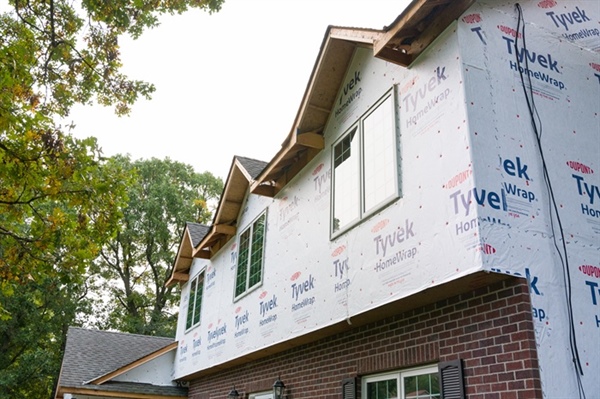
Adding onto your home is about more than gaining extra space — it’s about creating space that fits your life.
Whether you’re preparing for a growing family, setting up a home office, or reworking a layout that no longer meets your needs, a well-planned addition helps your home grow with you. The key to success isn’t picking up tools — it’s starting with a solid plan. Defining your goals, setting a clear budget, exploring your options, and understanding the process are the first steps to avoiding costly mistakes and design challenges.
We know planning a home addition can feel overwhelming. Concerns about financing, building codes, or how to integrate the new space seamlessly with your existing home often slow things down or lead to choices that negatively impact property value. With the right approach, though, you can add both function and beauty without stretching your resources thin. At Olson Construction & Remodeling, we focus on creating additions that strike a balance between purpose, design, and value.
In this article, we’ll walk you through what you need to know to plan a home addition that works for your lifestyle and stays within your budget. Keep reading for expert insights to help you start the process with confidence.
Key Steps to Start Planning a Home Addition
Before starting construction, effective planning is critical to a successful home addition.
Begin by clearly identifying your goals for the new space — whether it’s expanding your kitchen, adding a bedroom, or creating a home office. Define how the space will serve your lifestyle needs and what functionality it must include. Take inventory of your current home's layout and visualize how the addition will integrate with the existing rooms. Create a list of “must-haves” versus “nice-to-haves” to prioritize essential features within your budget.
Next, consult with professionals as early in the process as possible. An architectural draftsman or a contractor with design experience can help assess the feasibility of your ideas based on your home’s structural limitations and layout. Olson Construction & Remodeling offers in-house blueprint services, enabling custom planning from the outset. Accurate design development helps prevent cost overruns, delays, and design reworks down the line.
During this stage, take site measurements, research material options, and determine space utilization strategies tailored to your needs.
Finally, prepare a realistic timeline and budget. Know that many additions, depending on complexity, can take 2-3 months or more from start to finish. Factor in all expenses: design fees, construction labor, permits, finishes, and contingency costs. With proper planning, your project will be set up for success.
Understanding Home Addition Financing Options
Funding a home addition requires careful evaluation of your financing options to ensure they align with your budget and long-term financial goals.
Many homeowners choose to tap into their home equity through a Home Equity Line of Credit (HELOC) or a Home Equity Loan. Both options allow you to borrow against the value you’ve already built in your home, typically at lower interest rates than unsecured loans. The key difference lies in how the funds are dispersed — lump sum versus flexible draw periods.
Another viable route is a cash-out refinance, where you replace your existing mortgage with a new, larger one and use the difference to fund your addition. This may be ideal when interest rates are favorable. Personal loans are an alternative for smaller-scale projects, but they usually come with higher interest rates and shorter repayment terms. It's essential to calculate the full cost of borrowing and balance that against your project's ROI, especially if you plan to sell in the future.
Before selecting a financing strategy, consult both a financial advisor and your contractor to ensure alignment between your loan structure and project timeline.
Common Challenges Homeowners Face with Additions
Home additions are complex projects with several potential hurdles that can affect both budget and schedule.
One of the most frequent challenges is underestimating costs. Homeowners often overlook indirect expenses, such as permit fees, utility relocation, and unforeseen structural reinforcements, which can lead to significant budget overruns. Accurate up-front estimates are key to preventing surprises during construction.
Construction delays are another widespread issue, often caused by weather, material shortages, or subcontractor scheduling conflicts. Even well-planned projects can be affected by uncontrollable variables. Working with an experienced builder who manages the project timeline proactively helps mitigate delays. Another critical factor is matching the design and materials of the addition to the existing structure — a poorly integrated addition can lower overall home value and aesthetic appeal.
Finally, communication gaps between homeowners and contractors can lead to dissatisfaction and costly rework. Clear documentation, design reviews, and scheduled check-ins can reduce misalignment.
These challenges highlight the importance of collaborating with a builder who offers transparency and detailed planning throughout the entire process.
The Role of Minnesota Zoning Laws in Home Additions
Every municipality in Minnesota enforces zoning regulations that influence the design, size, and placement of home additions.
These rules determine how close you can build to your property lines (setbacks), the total lot coverage allowed, height restrictions, and whether certain types of additions are permitted in your zoning district. Homeowners in areas like Oakdale or Stillwater must ensure compliance with their city’s specific code requirements.
Securing the correct permits is a non-negotiable step, and failing to do so can result in project delays, fines, or even the removal of unauthorized construction. Most projects require a building permit, as well as additional approvals from zoning boards, particularly when modifying the exterior footprint of your home. Olson Construction & Remodeling streamlines this process by managing all permits and inspections; however, homeowners should still understand the code's impact on their project's scope.
For example, adding a second story or a detached accessory dwelling unit may require public notice or the consent of neighbors. Verify local ordinances and consider potential variances if your plans extend beyond standard zoning limits. Proper planning helps avoid legal headaches down the line.
Blending New Spaces with Existing Structures Effectively
One of the most critical yet overlooked aspects of home additions is how well the new structure harmonizes with the original house.
Architectural consistency involves aligning rooflines, window styles, siding materials, and finishes so that the addition feels like a natural extension, not an afterthought. Mismatched exteriors or disproportionate volumes can make even the most functional addition look disconnected.
Interior integration is just as important. Flooring transitions, ceiling heights, wall textures, and trim details all contribute to a seamless flow between old and new spaces. Attention to transitions — such as wide doorways, continuous flooring, or design cues — can unify spaces and improve usability. Lighting consistency and thoughtful spatial layout also play key roles in cohesion.
During the design phase, request 3D renderings or sketches to visualize the addition in context. Involving professionals with architectural drafting experience ensures the final build looks intentional.
Olson Construction & Remodeling’s design approach emphasizes alignment of scale, style, and proportion, which makes their additions feel truly custom.
How Olson Construction & Remodeling Helps You Build Smart Additions
If you’re planning a home addition in the East Metro, we’re here to help. At Olson Construction & Remodeling, based in Oakdale, MN, we bring unmatched expertise from design to completion. Whether you’re looking to add a bedroom, expand your kitchen, or create a bright home office, we offer tailored solutions to fit your lifestyle. With over a decade of experience, in-house blueprint services, and a commitment to clear communication in every project we complete.
We do more than build — we help you plan smart from the start. Our team works with you to define your goals, review financing options, address zoning requirements, and anticipate challenges before they arise. When construction begins, we focus on seamless integration with your home’s existing structure, using high-quality materials and thoughtful design to deliver lasting results.
Contact us online or give us a call at 651-279-2590 to get started on a home addition that’s functional, beautiful, and built to last.